
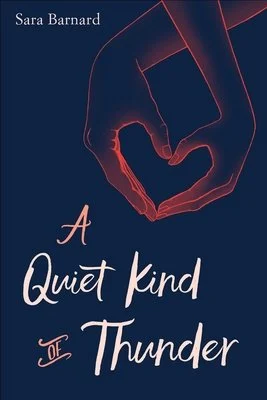
A Quiet Kind of Thunder follows Steffi, a mostly nonverbal teenager with debilitating social anxiety. Because she doesn’t speak much, Steffi gets overlooked by her peers to the point of feeling like she’s not even in the room with them. Until a new boy, Rhys, comes to the school and Steffi is assigned as his guide because he’s Deaf and she knows basic sign language. Steffi being nonverbal has no impact on Rhys, and his willingness to help find ways for them to communicate leads to a growing friendship between the two. Friendship grows into romance, and throughout it all the most important thing is being willing to communicate—even if it doesn’t look like our typical way of doing so.
You can read Pine Read Review writer Grace Kennedy’s more in-depth review of A Quiet Kind of Thunder here!
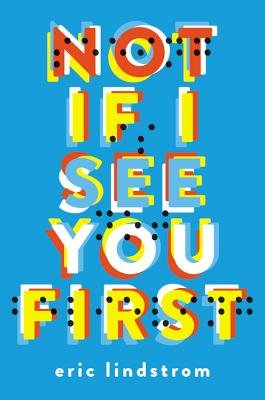
Not If I See You First stars Parker Grant, a blind teen trying to prove that her blindness doesn’t stop her from being able to do track while still grieving the death of her father. After being humiliated by her ex Scott Kilpatrick, she made a set of rules for herself to keep her emotionally safe. It’s working great for her so far, until Scott comes back into her life and she doubts everything she knew happened before. Parker’s an opinionated teenager, her strong voice dominating Not If I See You First. Her blindness is not a hindrance to her desire to do sports, and the rules she set for herself after her experience with Scott are understandable.
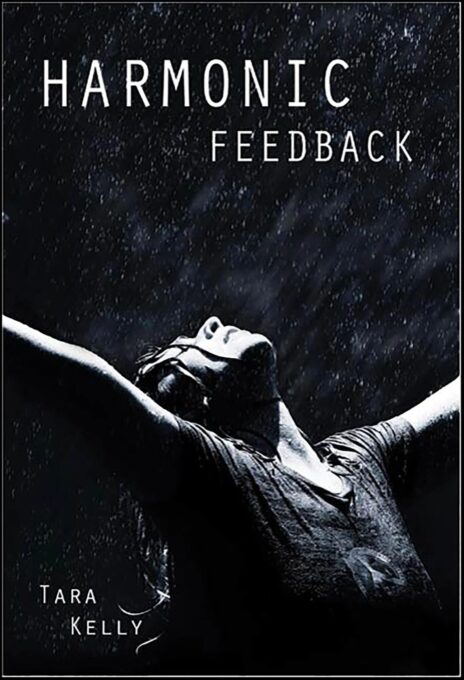
Harmonic Feedback follows the life of sixteen-year-old Drea, a music-loving girl who has Asperger’s. She doesn’t make friends with anyone until she meets Justin and Naomi, two other music lovers in the little city she just moved to. Together, and very suddenly, the three form a band, and having friends is a new and strange experience for Drea. With friends, she can’t just hide behind her passions and expect her problems to go away; especially when those “problems” involve the first two people she’s connected with. And when there’s a chance one of those people may like her as more than just a friend, she has to figure out what to do without risking losing them.
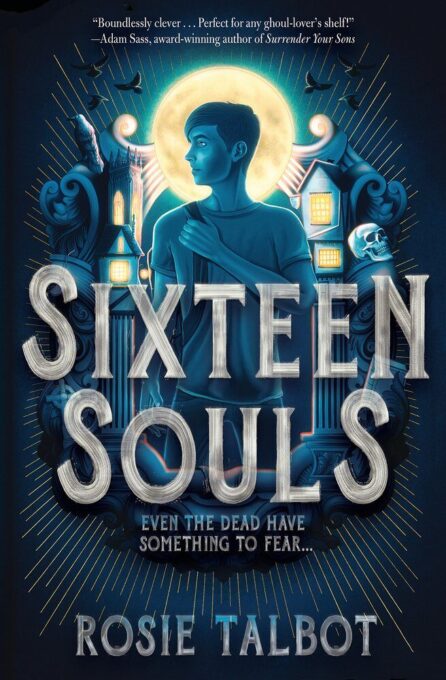
Sixteen Souls features sixteen-year-old Charlie Frith, an amputee ghost seer (the only kind of person ghosts can interact with) living in York, England. His life is less than stellar, with most of his friends being ghosts and the person he likes is in a relationship with someone else. But he’s making do. Then a new seer moves into town—Sam—who drags Charlie into the other problem of ghosts vanishing from York, which he intended to not get involved in at all. When one of the ghosts he’s close to disappears, however, Charlie must look into the phenomenon, leading to Sam and Charlie discovering that the vanishings are no accident. Sixteen Souls has been praised for its casual but accurate representation of a disabled boy as well as queer representation in both leads.
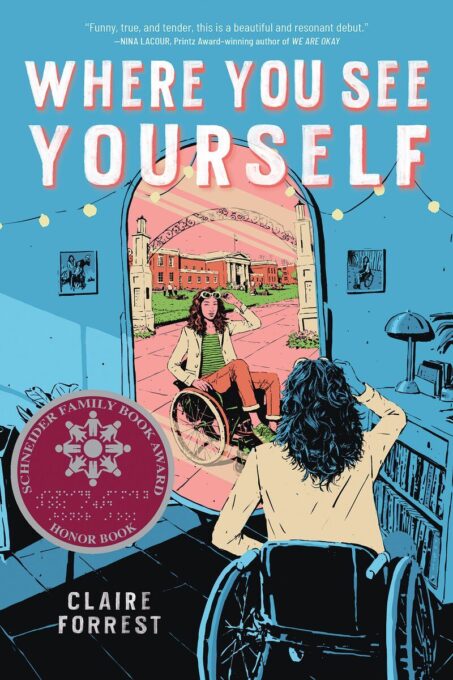
Where You See Yourself is a story about Effie Galanos, a senior in high school navigating the struggle of preparing for college. She has an additional stressor: needing to ensure the university she goes to is accessible for when she uses her wheelchair. Effie has her heart set on a particular university for their mass media program in New York City, and when she discovers that her crush, Wilder, has applied there too, she only wants to go even more. But not everything can go as planned, and she has to open herself up to different opportunities. But just because those opportunities are different doesn’t mean they’re bad, and she comes to see some chances are far beyond what she ever could have imagined.
In a world that is still very inaccessible, disability representation is incredibly important. It’s even more important, in my opinion, for young readers to be exposed to the different kinds of disabilities and see these people as the leads in stories. It helps to get a glimpse into their lives, as well as to see that disabled people can still do things an abled protagonist can—in their own way.
Grace McCool, Pine Reads Review Writer & Editor