
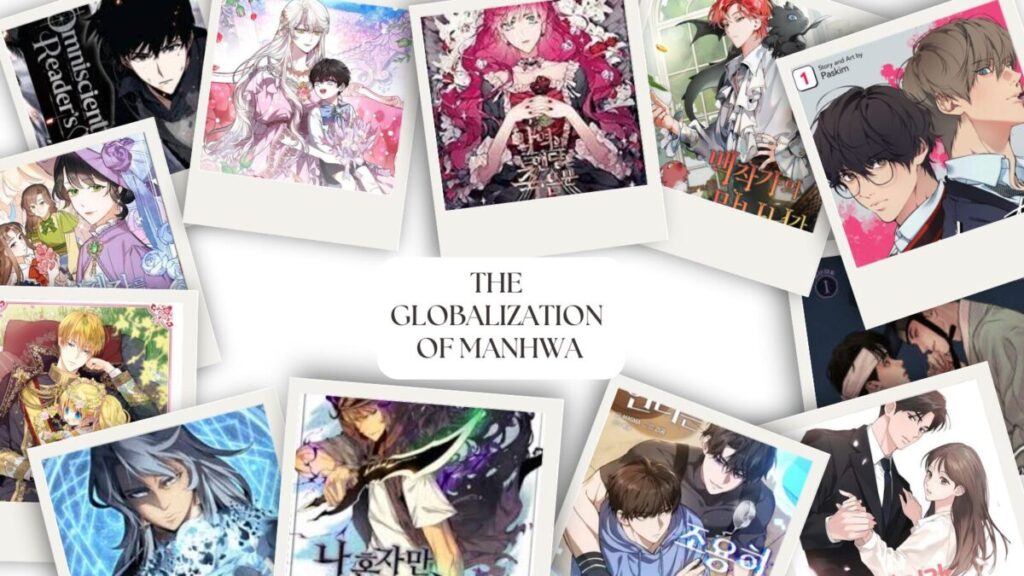
As I dove deeper into the webcomic world, I found myself transfixed by the webcomics based on Korean novels and webnovels, which had been adapted into webcomics and, more recently, printed as graphic novels sold in stores like Barnes and Noble. With Korean webcomics (or manhwa), the isekai genre gained popularity. Isekai is the reincarnation or transportation of someone to another world, whether it is a world from a book a character read (most common) or just another fictional world within the story. In this genre, a popular trope is where a girl wakes up in the body of the “villainess” of her most recently read novel or otome game (a video game where the player must make target male characters fall in love with her in order to achieve a happy ending). This trope became so popular that it is now considered a genre itself depending on the platform.
One of my favorite young adult (YA) webcomics/manhwas fits into this genre: Villains Are Destined to Die by Suol, original novel by Gwon Gyeoeul. This manhwa (see Figure 1) and graphic novel (see Figure 2) gained so much popularity that it finally led the original novel to be translated into English and published in the U.S., with the first two books being translated and published in the last eight months. (See Figure 2 for Vol. 1 of the translated novel series). The third book will be released in May of 2026.
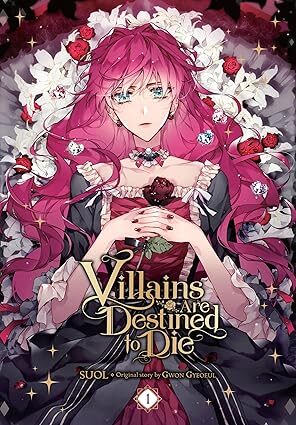
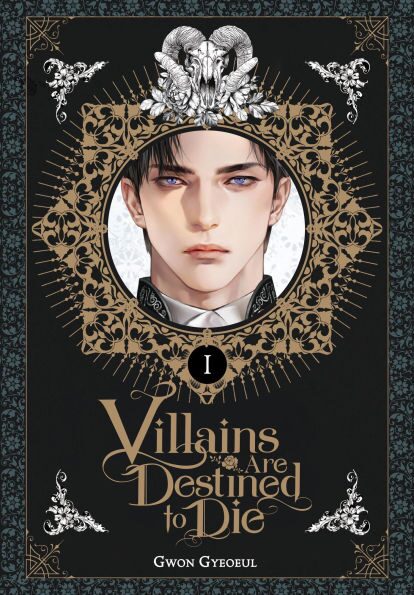
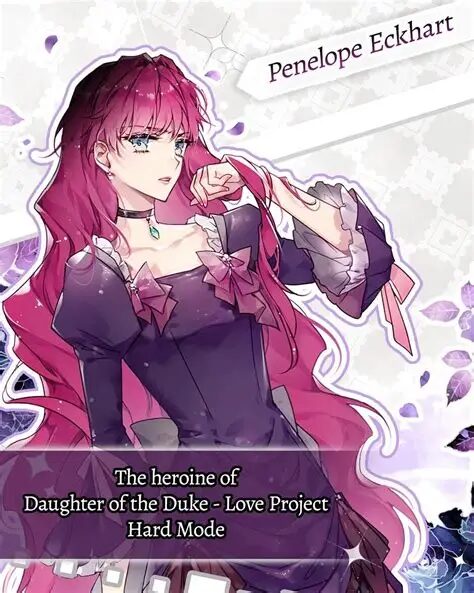
Villains Are Destined to Die is about a girl who, after completing the normal mode of her current otome game, starts hard mode and finds it more difficult than she thought. She falls asleep playing and wakes up in the game as the hard mode’s protagonist, Penelope Eckhart, the villainous adoptive daughter of the duke and the antagonist of normal mode. With only three months until Penelope’s 18th birthday, which marks the beginning of normal mode, Penelope must secure a happy ending with one of the game’s male protagonists before the duke’s real daughter appears at her birthday celebration and starts winning over the male protagonists. However, with the affection of the male leads starting at 0% or lower, one wrong move and it’s game over for her. Penelope must first find a way to avoid death at the male protagonist’s hands and gain an affection score of 100% if she wants to return to her world and beat the game once and for all.
When reading the novel, I found that the webcomic followed the storyline incredibly well. The novel series so far, as expected, offers a more in-depth depiction of Penolope’s psyche, focusing more on how she views things as she fights to survive in the game world come to life. Moreover, the novel feels a bit more YA than the webcomic itself, despite them both featuring a 17-year-old protagonist (after she wakes up in Penelope’s world), because of the narration style.

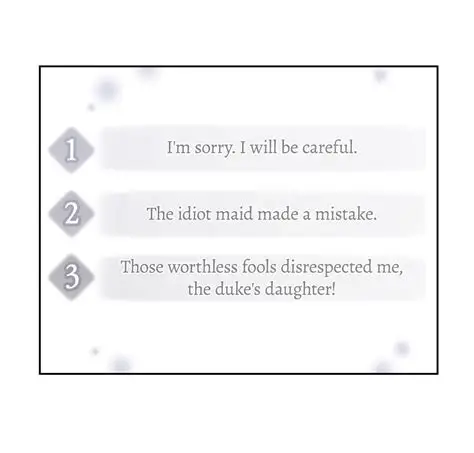
The webcomic’s beautiful art and manhwa style gives the expressions a sometimes comedic element, as it shifts to a chibi style and depicts the over-the-top expressions manhwa, anime, and manga are known for. I feel the manhwa lends itself better to the underlying video game aspect of the story, as the manhwa artist has drawn in video game screens and character introductions, showing us how they think it would be depicted as a video game.
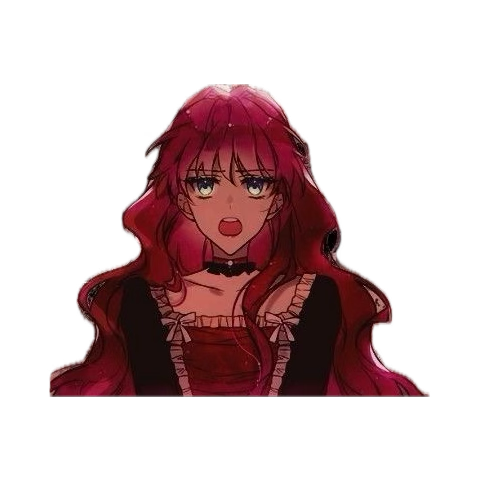
Moreover, the affection percentages of the male target characters are always shown, just as they would be in a game. While the novel does not constantly bring up the video game aspects, its heavier narration stretches time more, leaving the reader to sit in the high-tension moments and letting those scenes take up more space. It is important to note, though, that high-tension scenes still make huge impacts on the reader, which is made obvious by the people who come back when new episodes of the manhwa are uploaded.
Both formats highlight different strengths when it comes to telling the story. As someone who got into the manhwa first, I feel more partial to it. But the more I read from the novel series, the more I get to know about Penelope as a character, and the more I fall in love with the story. As more webcomics and the novels behind manhwas gain acclaim, more Korean works will continue to breach the Western market. I hope more and more stories get translated, not just the ones behind manhwa, as I have yet to be introduced to the many characters and stories that may one day be favorites that I’ll reread time after time.
Natalia Williams, Pine Reads Review Writer