

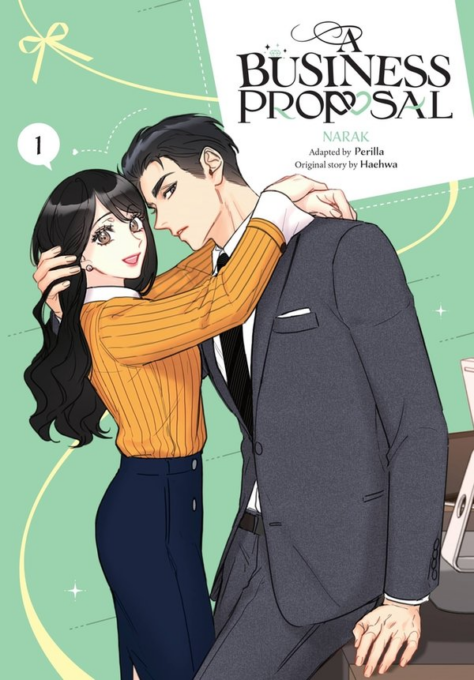
I ran away countless times / just out of fear / leaving you waiting at the starting line
Shin Ha-ri agrees to pose as her friend on a blind date to help her friend no longer have to go on blind dates anymore. However, everything goes astray when the blind date turns out to be her boss, who is set on marrying her. Shin Ha-ri scrabbles to make him repulsed by her, but none of her plans work. “Deja Vu” reminds me of Shin Ha-ri because the lines, “I ran away countless times” and “I remember the answer I finally found / my future is you,” depict Ha-ri’s growth as she begins to fall in love.
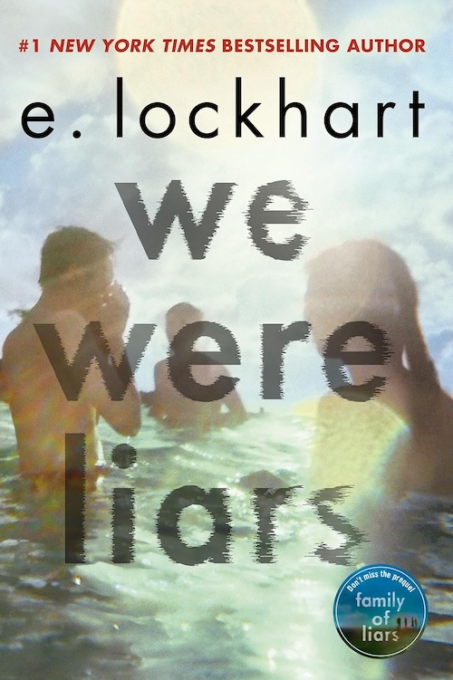
Where have you been? / Where did you go? / Those summer nights seem long ago
Due to a traumatic brain injury, Cadence can’t remember how she ended up on the beach without her friends and family, and what happened during her seventeenth summer on her family’s private island. I feel like this song represents who she is after the injury, as she tries to piece together why her friends aren’t responding to her emails and why everything has changed. Even she has changed, which I feel is represented when Lana sings “those summer nights seem long ago / and so is the girl you used to call / the queen of New York City,” but instead of the “queen of New York City,” Cadence is no longer the prized, perfect eldest granddaughter of the Sinclair family and both what happened on the beach and her injury have changed her life.
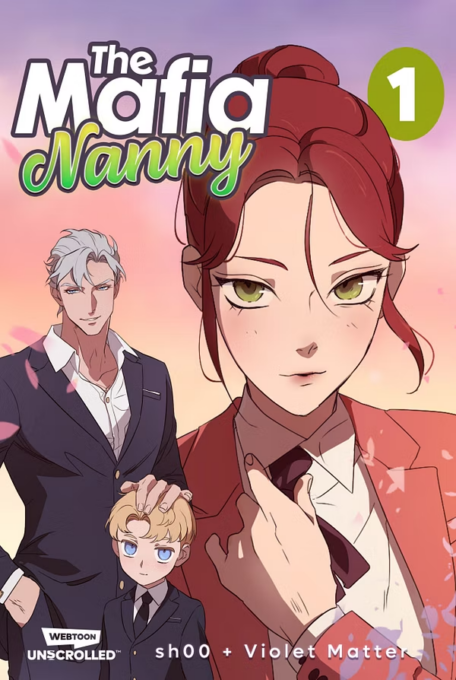
Heaven knows that I’m not a fighter / but for you, I’d go to war
Davina thought her life in organized crime was in the past, but after being selected as the elite nanny for a Venetian underboss’ kid, she finds herself back in and with a unique opportunity to find out what led to her parents’ death. Davina is a loyal person, and her new position conflicts with her morals. “Go To War” fits Davina because while she may not be in the mafia, when it comes to those she cares about, she’ll do anything to protect them, even “go to war.”

We’ve been lost, been to the bottom / beaten up, torn and forgotten / still we fight, we will survive
Amelia is in witness protection and has one goal: don’t get involved in any drama. She can’t have social media, friends, or date. No one can find out her past or her past will find her. Amelia is a survivor, which is embodied in Icon For Hire’s song “You Can’t Kill Us.” She has trained in self-defense and won’t go down easy. Despite the fact that she’s not supposed to make friends, Amelia can’t help but find herself drawn to a group of people, who may understand her and support her in ways no one has in a long time. She must balance her secrets and their friendship, keeping them far enough to keep them safe and not to find out, but close enough to still be able to have fun and keep some normalcy alive. Now with her new friends by her side, she won’t be “left alone, [they’re] not defeated.” Even as everything goes sideways, they don’t go down. Icon’s lines, “we got more to give, more to live, more to be / more to who we are than our broken history,” really captures Amelia’s journey and her will to live on despite all she has been through.
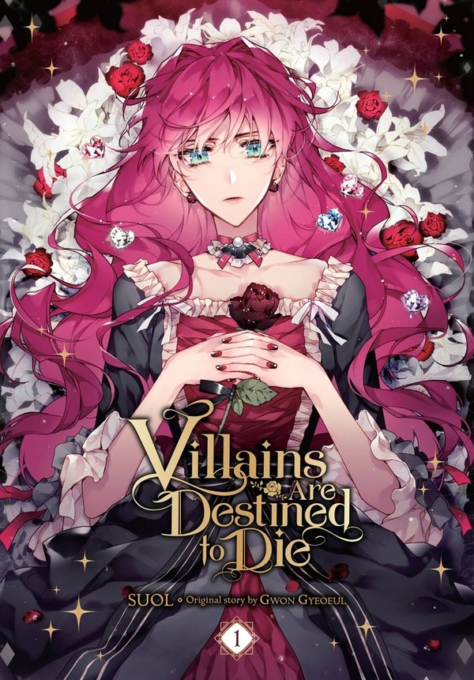
They say, “Give it up,”/ Tell them, “Not enough” / Count my losses the whole night / Yeah, you know I don’t care how many times I fall / ‘cause I’ll come back to life
After waking up in the hard mode of a game, Siyeon, now the adopted daughter of the duke, Penelope, has to raise the affection of target characters in order to escape. But hard mode is nothing like the normal mode she easily cleared. Penelope must be careful of her every movement, as one wrong move could lead the male leads to kill her. No matter how many obstacles she faces, she always finds a way to pivot and use the game to her own advantage. Han’s “Back To Life” embodies her unwillingness to fall, her unwillingness to give in. So she’ll “count [her] losses the whole night” and rise again.
Natalia Williams, Pine Reads Review Writer